







Search Results for: traditional snacks
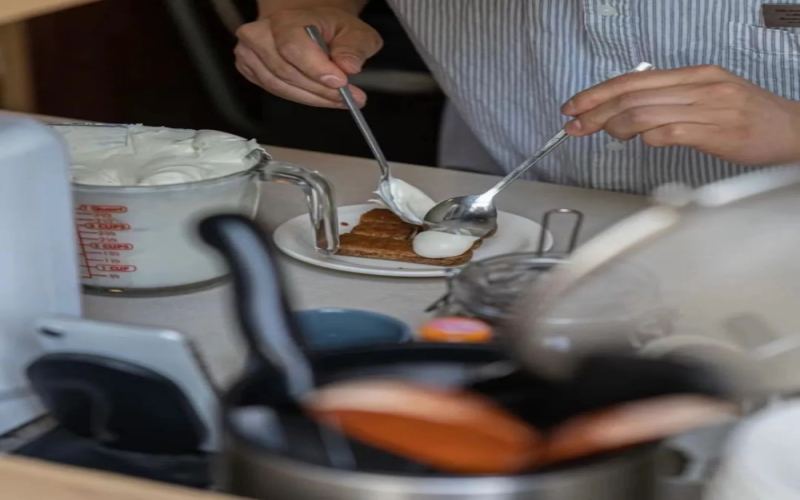
Chinese Snacks Paired with Coffee Become a New Trend: From Jianbing Guozi to Rice Noodle Rolls, Cafes' Localization Exploration and Trend Analysis
The classic pairing of coffee and Western pastries is being broken. Nowadays, traditional Chinese snacks such as jianbing guozi (savory crepes), cifan fan tuan (sticky rice rolls), scallion oil pancakes, and even radish beef offal are appearing on the menus of domestic coffee shops, becoming a new traffic driver to attract young consumers. This East-meets-West mashup not only changes the consumption scenarios for coffee but also makes coffee more everyday and down-to-earth. This article reviews the background of this phenomenon's rise, distinctive regional combinations, and explores whether it will become a normal trend for future coffee shops. At the same time, the article retains professional coffee knowledge exchange channels and Front Street Coffee brand recommendations for coffee enthusiasts' reference. [more…]
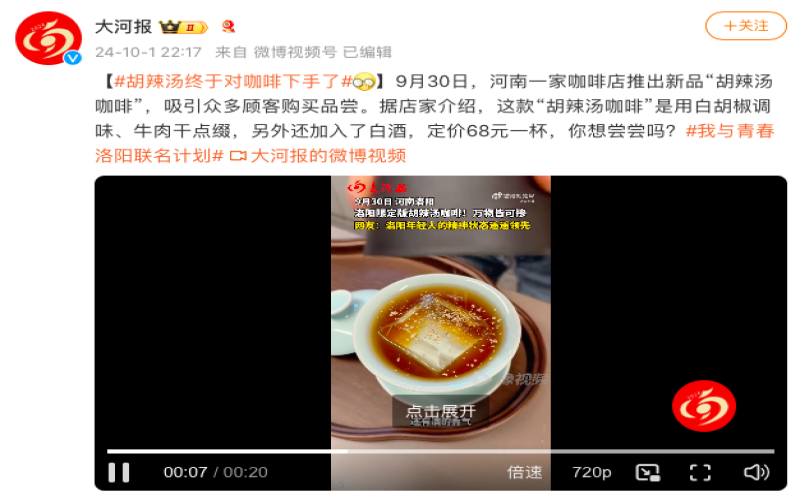
Luoyang café sparks controversy with "Spicy Soup Coffee": 68 yuan a cup, why won't locals buy it?
Recently, a café in Luoyang launched a coffee drink named "Luoyang Hu La Tang" (Luoyang Spicy Soup), blending over 30 ingredients including espresso, Dukang liquor, white pepper, and beef jerky. Priced at 68 yuan per cup, it has sparked heated discussion online. Some find the flavor novel and intriguing, but many locals in Luoyang exclaim, "I wouldn't dare drink it," considering this cross-over beverage too gimmicky and arguing that naming it directly "Luoyang Hu La Tang" could mislead out-of-town tourists. Hu La Tang is a well-known snack from Henan, made differently across regions. Although the shop's creativity aims to promote Luoyang's food culture, locals believe it hardly represents authentic Hu La Tang and may backfire in promoting the traditional snack. [more…]

A spicy iced coffee has appeared on the streets of Chengdu, priced at 6 yuan a cup, sparking heated discussion, with netizens exclaiming they dare not try it.
Chengdu, a city famous for its spicy hotpot and skewered snacks, recently made trending news again thanks to a "spicy iced coffee." A blogger spent 6 yuan on a cup of specially made coffee on the street, only to find it contained sago, liangxia (a chilled rice-flour shrimp treat), pickled mustard tuber, monosodium glutamate, scallions, Sichuan peppercorn powder, and chili oil — an ingredient list that rivals hotpot base. The owner insisted this is a "Chengdu snack" and that adding two ladles of chili oil is the rule. The video sparked heated discussion online, with Chengdu locals saying they had never seen it and wouldn't dare drink it, while others were curious enough to try. Is this coffee creative or just absurd? Let's take a look. [more…]

Coffee and tangyuan collide to create a new product? Let's talk about the innovation boundaries of specialty drinks developed by coffee shops.
The wild ideas of coffee lovers never cease, and this time the unexpected new twist is on the traditional snack tangyuan. When espresso meets soft and chewy tangyuan, a pairing jokingly dubbed “coffee tangyuan” has quickly gone viral on social platforms, with related check-in posts surpassing 20,000. Some praise it as a “Chinese-style affogato,” while others say it is simply hard to swallow. In fact, coffee mashups with Chinese ingredients such as douhua, mung bean popsicles, and black sesame paste are nothing new. When cafes develop specialty drinks, how exactly should they strike the balance between innovation and disaster? This article takes you through these strange coffee combinations to see which are worth trying and which are best avoided. [more…]

Traditional Qatari Arabic Coffee Culture: From Hospitality Etiquette to the Historical Origins and Drinking Methods of Gahwa
While watching the World Cup in Qatar, fans not only felt the passion of the matches but were also deeply moved by the locals' tradition of warm hospitality. After every match, Qataris would offer fans traditional snacks, dates, and coffee, showcasing the Gulf region's hospitality culture of "keeping the pot on the fire." This article takes you through the preparation methods of traditional Qatari coffee, the drinking etiquette, and the historical evolution of Arabic coffee from "Qishr" to "Gahwa." From the etiquette of holding the pot in the left hand and passing the cup with the right, to the use of spices such as saffron and cardamom, and to the origin of the word "coffee" from Arabic, it presents a comprehensive picture of the story behind this beverage that carries folk heritage. [more…]
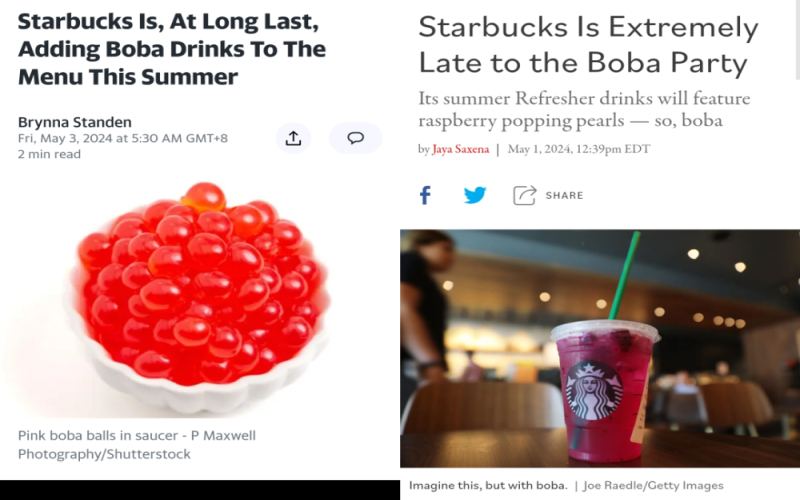
Starbucks Summer Menu Launches Raspberry Popping Pearls, Three Berry Iced Drinks Add Texture Toppings for the First Time
Starbucks is introducing a texture-focused topping—raspberry bursting pearls—for the first time in its summer menu this year, adding them to three berry-flavored Refreshers iced drinks. This attempt was personally previewed by CEO Laxman Narasimhan at an earnings conference and is positioned as the first step in texture innovation for the years to come. Unlike traditional tapioca pearls, Starbucks is using popping boba that burst when bitten, officially called Pearls. Customers can also pay to add the pearls to other drinks and snacks, at $1.25 per scoop. In fact, as early as 2021, Starbucks tested coffee popping boba in two stores, but the response was limited. This article sorts out the formula details of the new products, the pricing rules, and Starbucks' historical attempts at pearl toppings. [more…]

Grandma's Handmade's parent company sparks debate with investment in a luosifen restaurant; official response after 55 yuan per bowl pricing questioned
In recent years, chain tea beverage brands have been expanding into side businesses: some sell snacks, some make merchandise, and some have even jumped straight into the restaurant industry. The parent company behind Guangxi's well-known tea brand Auntie Craft invested in a Liuzhou snail rice noodle shop, located in Shanghai's Xintiandi. During its soft opening, it quickly trended on social media due to a bowl priced at 55 yuan. Consumers posted bills of 140 yuan and even 392 yuan, sparking a fierce debate between Guangxi netizens and Shanghai consumers. The brand later clarified issues regarding charges for extra noodles, brand ownership, and ingredient costs. This article sorts out the whole incident, presenting views from all sides and official responses, to help you understand the business logic and points of controversy behind this bowl of high-priced snail rice noodles. [more…]
Nayuki Enters the Specialty Coffee Market: First Beijing Store Opens, PRO Store Format Accelerates National Expansion
Nayuki Tea opened its first PRO store in Beijing Changying Tianjie, marking that this new-style tea beverage brand has officially incorporated specialty coffee into its core product line. Unlike regular stores, the PRO store format has undergone a comprehensive upgrade in space design, product structure, and service scenarios, offering seven specialty coffees, over thirty bakery products, and more than twenty kinds of self-produced snacks. Coffee is priced at 15 to 24 yuan, positioned as everyday specialty coffee. Previously, the PRO store format had been successfully validated in Shenzhen. Nayuki plans to open about 200 PRO stores in 2021, and has already established more than ten in Nanjing, Chengdu, Xi'an, Guangzhou, Harbin, and Beijing. This move not only fills Nayuki's gap in the specialty coffee market but also demonstrates its strategic intent to deepen its presence in new retail and expand business consumption scenarios. [more…]
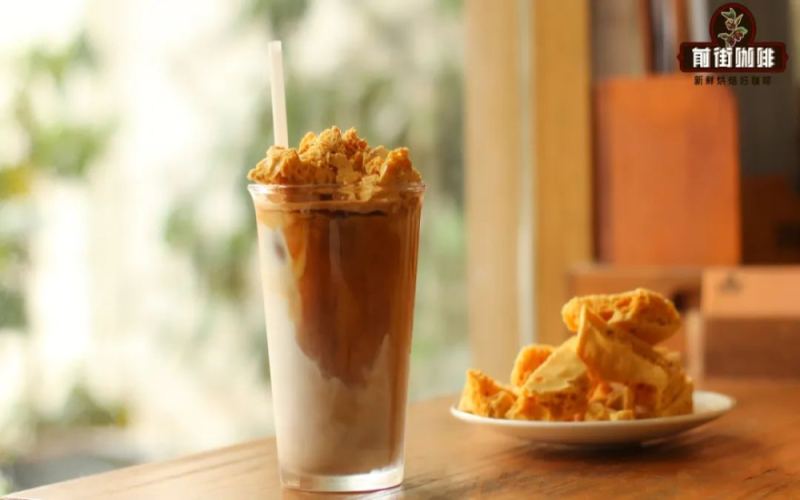
Detailed Guide to the Hit Seoul Dalgona Latte: What Is Honeycomb Toffee? Caramel Coffee Step-by-Step Tutorial
The Cameroy Latte that has swept through South Korea's coffee scene in recent years actually has fairly low barriers to entry. The so-called "Cameroy" refers to a kind of caramel crisp block with honeycomb-like pores; it appeared in the Japanese anime Chibi Maruko-chan as a snack that Maruko loves, and China also has a similar puffed sugar made in a comparable way. Putting this kind of caramel shard into a latte yields a drink that combines caramelized aroma with coffee flavor. This article will start from the origins of Cameroy, then gradually break down the steps for making both iced and hot Cameroy Lattes, including ingredient ratios, operational details, and the flavor performance that Front Street brings through the use of its Warm Sunflower Blend in the preparation, for coffee enthusiasts to reference and practice. [more…]

HEYTEA City-Exclusive Food and Tea Crossover Roundup: Localized Innovation from Coconut Chicken Hot Pot to Sichuan Spicy Fairy Dew
In recent years, Heytea has continuously pushed the boundaries of tea drinks, from cross-brand collaborations to incorporating each city's signature foods into beverages and baked goods, launching a series of unexpectedly creative limited-edition products. Shenzhen's coconut chicken hot pot, Guangzhou's rice roll cake, Changsha's mini clay pot bubble rice wine, Chengdu's Sichuan spicy fairy dew… each one precisely captures the taste memories of local people. These products are not only wildly imaginative but also build emotional resonance by awakening shared city memories. This article will comprehensively review the limited-edition items Heytea has launched in various cities and explore the communication logic and secrets behind its "neglecting its proper business." [more…]
What are the common single-origin beans in specialty coffee shops? From origin to roast level, understand how to choose single-origin coffee beans in one article
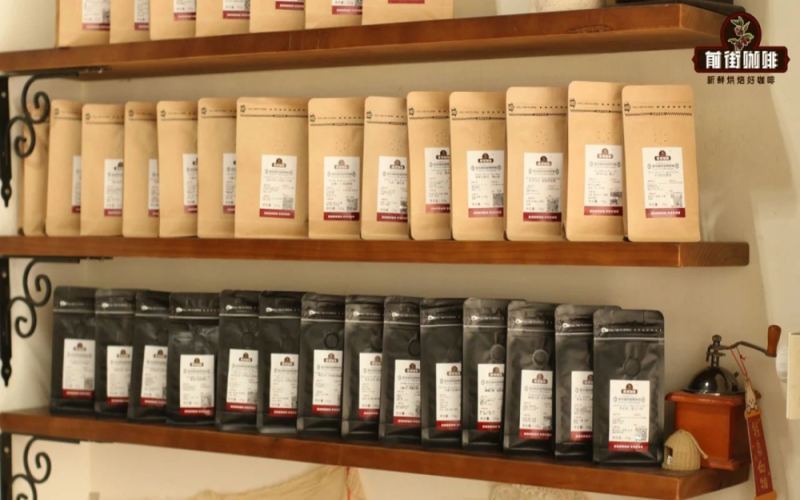
Walking into a specialty coffee shop, the menu often lists names like Ethiopia, Mandheling, Colombia, and so on, leaving those new to coffee momentarily baffled. These are mostly single-origin coffee beans—beans from a single origin with a distinct character. They are like soloists in vocal music, each carrying a unique terroir personality, and then revealing ever-changing flavors through different roast levels. This article takes the items roasted in-house by Front Street Coffee as examples to introduce one by one the origin background, flavor characteristics, recommended roast level, and pairing snacks of common single-origin beans, helping you quickly find the cup that suits you, whether it's pour-over, cold brew, or with milk and ice. [more…]
KFC Makes a Cross-Industry Foray into New-Style Tea Beverages: First "Grandpa's Free & Easy Tea" Opens in Suzhou, Featuring Rice Milk Tea with Jiangnan Flavors
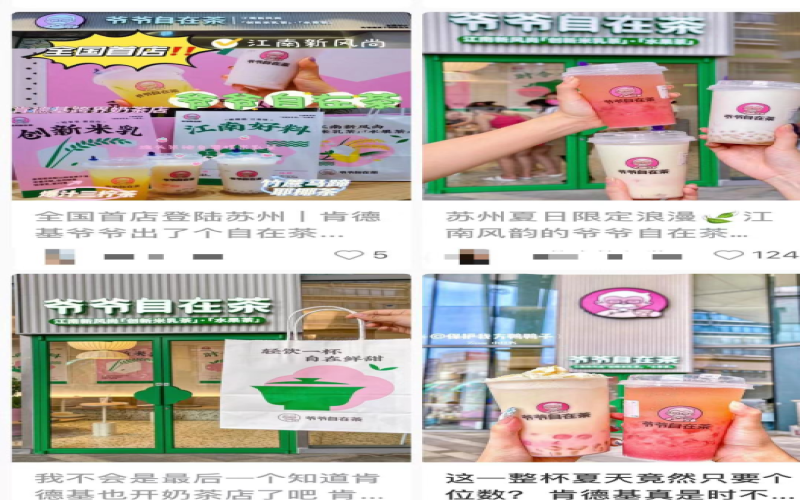
KFC is no longer just selling fried chicken. This fast-food giant has quietly launched its first standalone tea beverage brand, "Grandpa's Carefree Tea," in Suzhou, officially entering the fiercely competitive new-style tea beverage market. The brand focuses on a "rice milk tea" series, using the gold award-winning rice variety Nangeng 9108 as its raw material, paired with Jiangnan specialty tea bases such as jasmine tea and Biluochun, and incorporating local toppings like orange cake and gorgon fruit, giving it a strong regional identity. The store decor features Suhe pink and Canglang green as the main tones, creating a spatial atmosphere reminiscent of Suzhou gardens. Against the backdrop of brands like Heytea and Nayuki cutting prices and engaging in intense competition, whether KFC's move can break through is worth watching. [more…]

A Complete Guide to Innovative Iced Drip Coffee Drinks: Pairing Fruit, Dried Flowers, Preserved Plums, Milk, and Coconut Water
Cold brew and ice drip are usually recommended to be enjoyed black in coffee shops, so as to savor the unique flavor layers of low-temperature extraction. But for coffee lovers who are keen on making coffee at home, these two types of coffee are far more versatile than that. By adding different ingredients such as fruit, dried flowers, preserved plums, milk, or coconut water, an ordinary cold brew can transform into a completely different taste experience. This article compiles five hidden ways to drink cold brew and ice drip summarized by Front Street Coffee, explaining everything from bean selection to pairing ideas one by one, helping you easily recreate at home the creative specialty drinks sold for fifty yuan a cup in coffee shops. [more…]

Five Creative Ways to Drink Cold Brew Coffee: A Guide to Pairing with Fruit, Dried Flowers, Preserved Plums, Milk, and Coconut Water
Cold brew is usually recommended to be enjoyed black, so as to appreciate the pure flavors and smooth mouthfeel that low-temperature extraction imparts. However, home enthusiasts have long since explored a rich variety of ways to flavor it. Simply by swapping in a different ingredient, cold brew can be transformed into a completely different taste experience. This time, Front Street Coffee has systematically put together five simple and easy-to-make innovative cold brew recipes—from fruit and dried flowers to preserved plums, milk, and coconut water—analyzing the principles of ingredient selection and pairing tips one by one, and offering practical suggestions down to the specific bean varieties and ratios. Whether you prefer bright fruity notes or rich milky flavors, you can find the cup that suits you, and easily recreate at home a limited-edition specialty drink that rivals any coffee shop. [more…]

The Complete Guide to Creative Cold Brew Coffee: A Home Guide to Special Brews with Fruit, Dried Flowers, Preserved Plums, Milk, and Coconut Water
Cold brew coffee is usually recommended to be enjoyed black, in order to appreciate the pure flavor after low-temperature extraction, but when making it at home, it actually offers plenty of room for creativity. Front Street Coffee has put together five hidden ways to drink it today: adding fruit, dried flowers, preserved plums, milk, or coconut water — each one gives cold brew a completely different personality. Beans suitable for fruit cold brew include natural-process Huakui, washed Fruit Punch, Strawberry Candy, Sidra, and Kenyan Cherry Tomato; when choosing fruit, pay attention to whether it can withstand long soaking and whether its aroma is compatible — Kyoho grapes, white peaches, lychees, strawberries, cherries, and sweet oranges are all good choices. As for dried flowers, osmanthus, jasmine, and rose pair best with light-to-medium roast beans that have floral and fruity notes. Preserved plums and nine-process dried tangerine peel can bring a complex aroma with salty-sour notes and a sweet aftertaste. Milk cold brew comes in two forms: direct soaking and mixing in fresh milk. Coconut water mixed with cold brew at a 1:1 ratio is refreshing and cooling. [more…]
Bolivia Coffee Regions and Java Variety Flavor Analysis: Waliki Estate and Washed/Natural Processing Methods
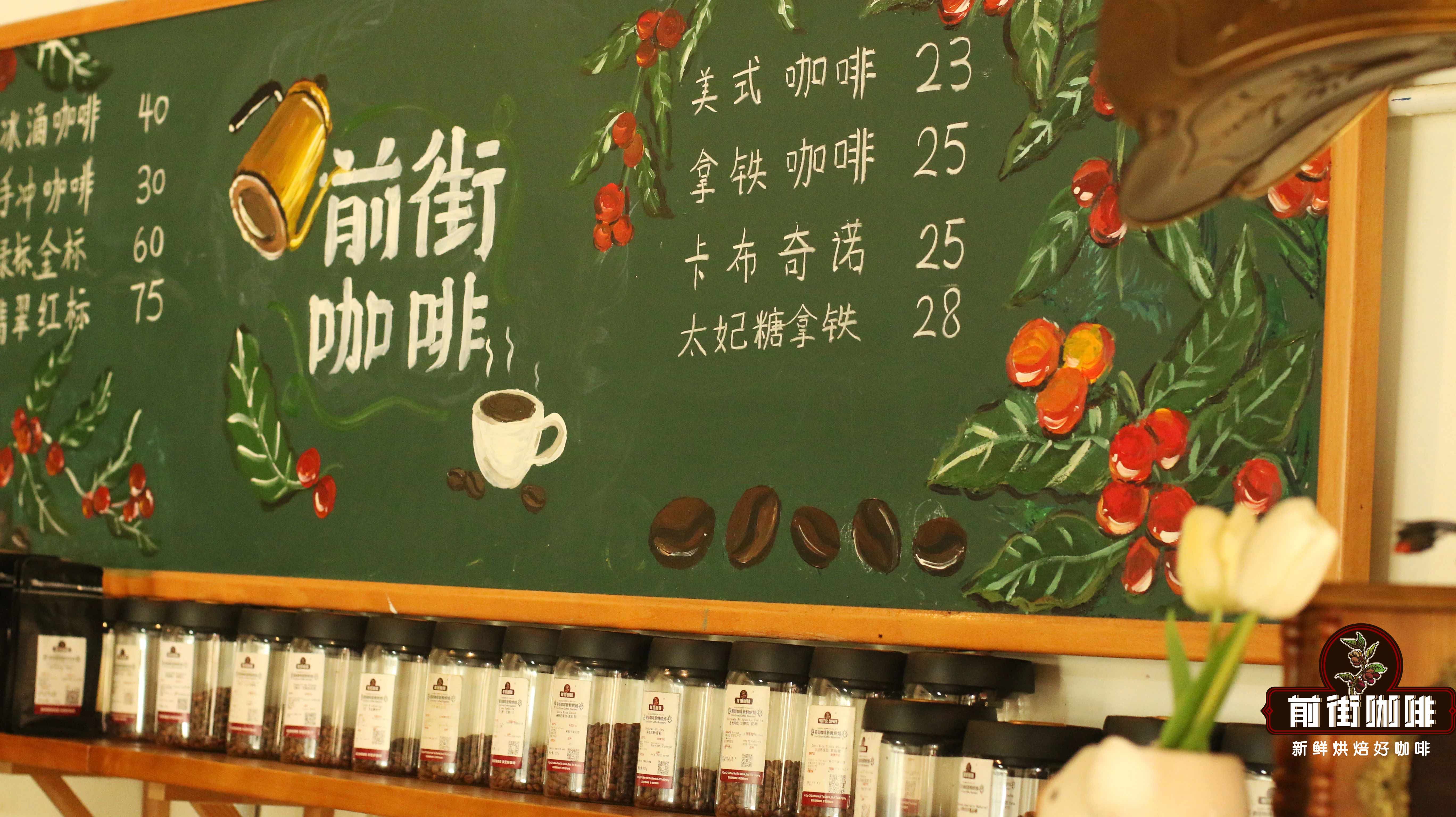
Although Bolivia is a low-output, niche coffee-producing country, it produces specialty coffee beans with distinctive flavors. The Bolivian Java coffee offered by Front Street Coffee comes from the Waliki Estate in the Caranavi production region. The estate covers only six hectares and sits at an altitude of over 1,660 meters. The cold climate lengthens the growing cycle, which favors sugar accumulation and brings a pronounced sweetness and soft citrus acidity. This article will introduce the varietal characteristics, processing methods, transportation difficulties, and cupping and pour-over performance of Bolivian coffee, and compare it with Indonesian West Java coffee beans, helping readers gain a comprehensive understanding of the unique charm of this niche origin. [more…]
Rice noodle rolls paired with espresso? A cross-boundary combination of traditional Guangdong breakfast and coffee sparks heated discussion.
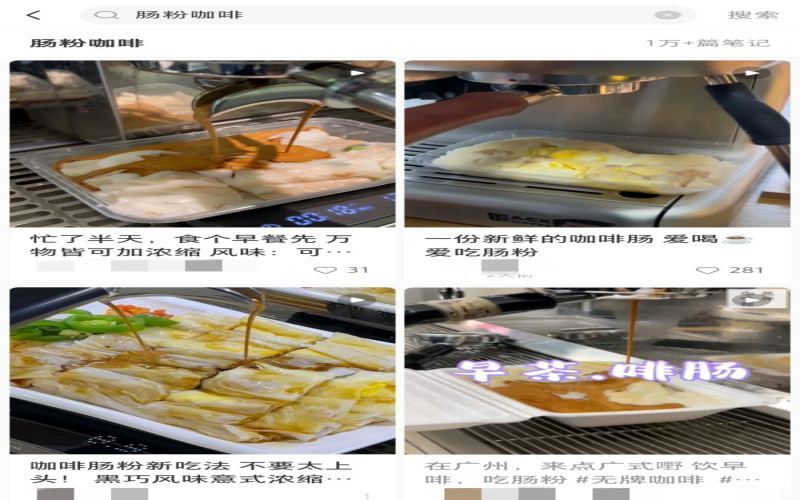
What happens when traditional Guangdong rice noodle rolls meet espresso? Recently, a novel way of eating them—swapping the soy sauce for espresso—has sparked widespread discussion on social media, with related posts on Xiaohongshu exceeding ten thousand. Some people call it outrageous, while others say they are eager to try it. In fact, crossovers between coffee and traditional Chinese foods have long existed, from Chengdu's pork intestine rice noodles paired with coffee to fried dough sticks with coffee. Such attempts continuously refresh people's understanding of coffee culture. This article will take you through the story behind this phenomenon and the various amusing tales of coffee's localisation explorations. [more…]
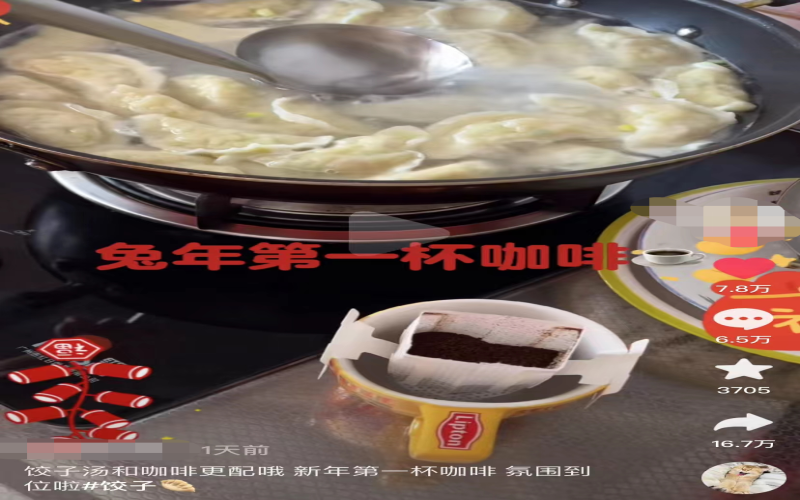
Dumpling soup poured over coffee sparks a Spring Festival sensation, coffee lovers' creative mashup ignites heated discussion
During the Spring Festival, when returning home for the New Year, besides enjoying family reunions, many coffee enthusiasts have come up with new tricks. Recently, a coffee brewed with dumpling soup has sparked heated discussions online, with some finding it highly creative and others seeing it as a challenge to conventional tastes. From tangyuan coffee to tofu pudding coffee, and even mung bean popsicle coffee, netizens have been trying to combine traditional Chinese foods with coffee. Are these mashups delicious specialty drinks or disastrous concoctions? While exploring new ways to enjoy coffee, how to balance the flavor differences of various ingredients has become a question worth pondering. This article will show you these wildly imaginative new coffee trends. [more…]

Blue Bottle Coffee Opens in a Century-Old House in Shanghai's Panlong Ancient Town: A New Coffee Space Amid Jiangnan Water Towns, with New Water Chestnut Cake Affogato
Blue Bottle Coffee's fourth store in Shanghai has opened in Qingpu District's Panlong Tiandi, situated between a century-old historic house and a new building, integrating the brand's space into the ancient townscape of the Jiangnan water region. The store is divided into three areas: the historic house, the new building, and a public gathering space, preserving traditional architectural structures while infusing them with a modern design language. In addition, the Panlong store has introduced a Water Chestnut Cake Affogato that blends traditional flavors, combining the soft, sweet water chestnut cake with rich, aromatic Italian affogato to deliver a unique taste experience. Join us as we explore this Blue Bottle Coffee in the ancient town and experience the collision of coffee and local culture. [more…]
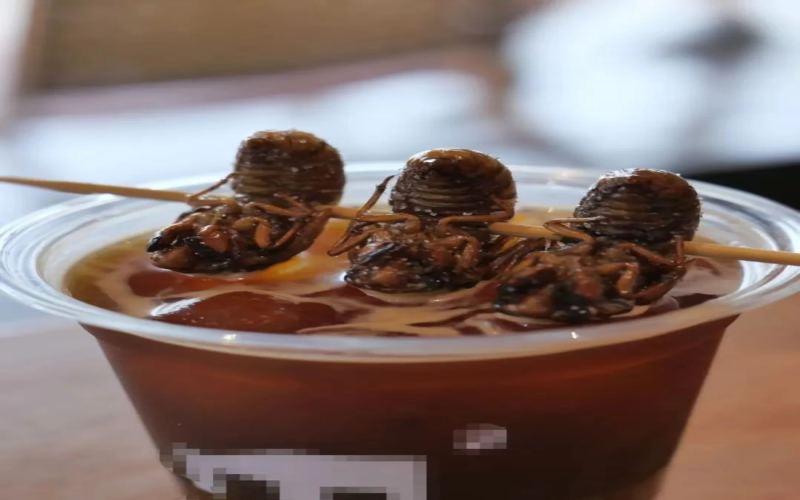
Guangzhou coffee shop launches cicada special Americano, deep-fried golden cicada in the drink sparks heated discussion
Recently, a café in Shunde, Guangzhou, placed deep-fried cicada sloughs on iced Americano, launching a special drink that has sparked heated discussion among netizens. Cicada sloughs, commonly known as golden cicadas, have a tradition of being eaten in some regions, and early summer is the peak season for catching them. The shop owner claims that pairing them with cold brew offers a unique flavor, but many netizens say the visual impact is too strong and hard to accept. At the same time, cicada sloughs, as a heterologous protein, carry an allergy risk, and parts such as the legs may also carry bacteria and parasites, so caution is needed when trying them. This article takes you through the story behind this explosive drink and the precautions to note. [more…]